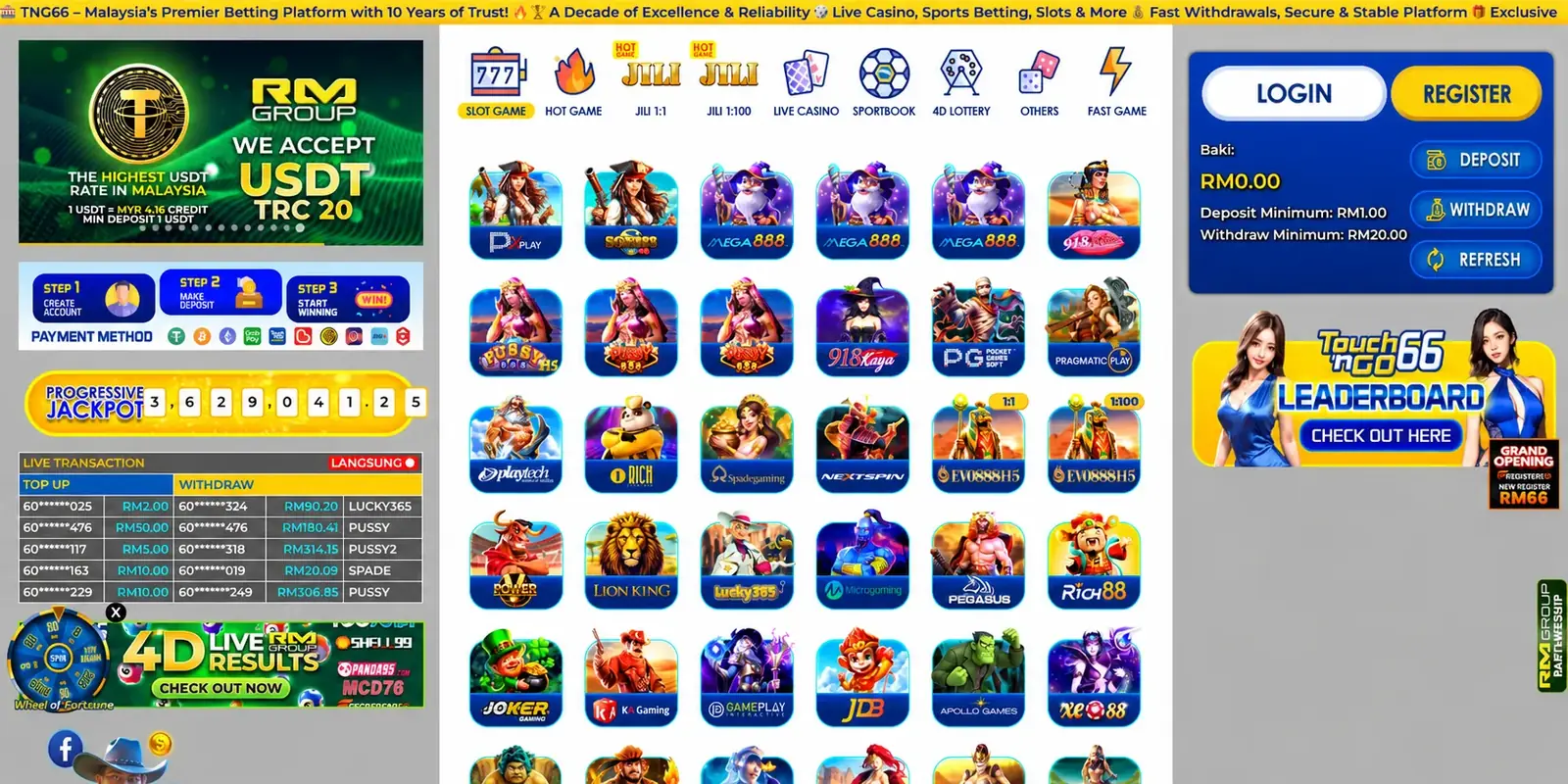
TNG66 Newest Slots 2026: How to Compare RTP, Volatility and Features
Compare TNG66 slot games in 2026 using published RTP, volatility, paylines, bonus mechanics, providers, demo play, and responsible limits.
Overview
“Newest” and “best” are subjective and game availability changes. A useful comparison looks at provider information, the specific RTP configuration, volatility, stake range, mechanics, and personal entertainment preferences—without treating any feature as a prediction of winnings.
Key takeaways
- RTP is a long-run theoretical average, not a session forecast.
- The same title may exist in different RTP configurations.
- Volatility describes the pattern of risk, not whether a game is due to pay.
- Demo mode can teach controls but cannot remove real-money risk.
- Use fixed money and time limits and never chase losses.
Step-by-step guide
Check availability and provider
Confirm the game is listed officially and identify its developer.
Open the information panel
Find the rules, paylines, stake range, features, and published RTP.
Confirm the RTP version
Compare the displayed percentage rather than relying on a review of another configuration.
Assess volatility
Choose a risk pattern that fits your planned session budget.
Try demo mode
Learn the interface and feature triggers without assuming demo outcomes predict real play.
Set limits before real play
Fix the total budget, bet size, and stop time.
Review the session honestly
Stop at the limit regardless of wins, losses, near misses, or bonus progress.
Important tips
- Autoplay can make spending less noticeable; use it cautiously or disable it.
- A jackpot figure does not change the probability of ordinary outcomes.
- No betting system can overcome a game’s mathematical house edge.
Frequently asked questions
What is the main purpose of this slot game guide?
It explains the checks, sequence, and common restrictions to review. Current account terms remain controlling.
Are slot game terms guaranteed to stay the same?
No. Availability, eligibility, limits, fees, and processing rules can change. Verify them through official channels before acting.
Do I need identity verification?
Verification may be required for account security, regulatory checks, payments, or access to a feature. Use only the secure account area.
Can a promotion or feature guarantee winnings?
No. Gambling outcomes are uncertain, and promotional value can depend on restrictions and wagering requirements.
Where should I check the latest rules?
Use the official account, cashier, promotion page, and published terms. Ask official support for written clarification when necessary.
What should I do if information conflicts?
Pause the transaction or activity and ask official support which published term applies. Save the response and relevant page.
Is online gambling legal everywhere?
No. Laws and access rules vary. You are responsible for confirming the rules that apply in your location.
How can I reduce account-security risk?
Use a unique password, enable extra authentication when available, and never share login details or one-time codes.
What budget is appropriate?
Only use disposable entertainment money you can afford to lose. Never borrow or use funds needed for bills or savings.
When should I stop playing?
Stop at your preset money or time limit, when play is no longer enjoyable, or when you feel an urge to chase losses.
Can customer support override published rules?
Do not assume so. Request written confirmation and retain records, but understand that the governing terms usually control.
How should I keep records?
Save relevant terms, confirmation screens, transaction references, dates, and official support messages without exposing passwords.
What if I suspect fraud or account misuse?
Stop transactions, change credentials, contact official support, and notify your payment provider when appropriate.
Can I take a break or self-exclude?
Responsible-gaming tools may include limits, time-outs, closure, or self-exclusion. Contact support if you cannot find them.
Is this guide financial or legal advice?
No. It is general information. Seek qualified local advice for legal, financial, or regulatory questions.